What could be more grotesque and incoherent than a society structured by white male supremacy, designed to denigrate and humiliate Black, Indigenous, and People of Color (BIPOC)? Perhaps only extreme absurdity can expose and confront it. In the visionary hands of director Robert Downey Sr., extreme absurdity becomes a cinematic method for rearticulating white heterosexual masculinity in the U.S. and issues of power in the late 1960s. His unique directorial method of humor offers underground films that are deliberately incoherent and create a space away from mainstream cinema. His bombastic New York underground works of the 1960s and 1970s confront race, power, and masculinity not through solemn critique or serious dramatic narrative, but through slapstick excess, satire, and disorientation.
I reflect on two of his feature films Putney Swope(1969) and Greaser’s Palace (1972) in the context of U.S. racial history, and how his films provide a version of white masculinity that is neither heroic nor fragile. Instead, Downey’s films confront power structures through extreme absurdity, a provocative strategy, even if some of these cinematic elements do not fully land well in 2026 and continue to raise critical questions about race and representation.
His feature films Putney Swope (1969) and Greaser’s Palace (1972) offer a revealing pair that engages with politics and power through absurd comedy during one of the most turbulent periods in U.S. history regarding race and gender. In both films, the grotesque and the ridiculous populate these worlds through humor. Watching the films today, when even naming race or queerness in academic contexts can provoke discomfort, their irreverence is strangely liberating and still radical. There is no calm drama; instead there is provocation and slapstick improvisational comedy to illuminate power structures of race, class, and gender.
Downey began his career in the early 1960s with low-budget experimental shorts, building a reputation for irreverence that Putney Swope would cement. Greaser’s Palace, his only relatively large-scale production, expanded that vision without taming it. Though he is often remembered in relation to his well-known actor son, Robert Downey Jr., these films stand as singular works within American independent cinema.
Regarding Downey’s work, it is not “avant-garde” in the sense associated with queer and feminist directors like Jack Smith or Carolee Schneemann, yet his films still transgress cinematic and political boundaries. Unlike many contemporaries whose political commitments took the form of direct protest—against the Vietnam War or for civil rights—Downey’s interventions are oblique, messy, and frequently offensive. They are, in this sense, profoundly New York underground works that offer a unique vision of politics and articulation.
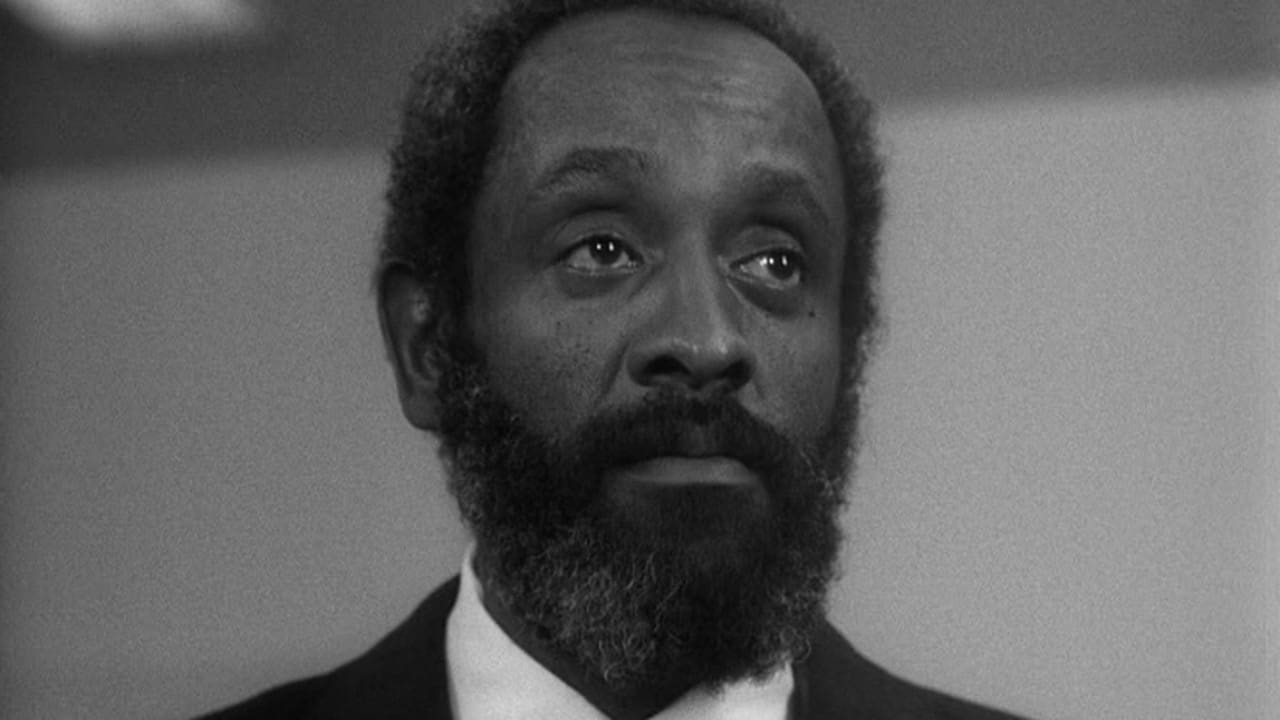
In Putney Swope, the title character (played by Arnold Johnson) is the only Black executive at a Madison Avenue advertising agency. When the chairman dies unexpectedly, Swope is elected his successor not out of recognition of his work, but because his white colleagues assume no one else will vote for him, resulting in his election. The opening sets the tone of Downey’s satire: power shifts not through justice, but through the absurd miscalculation of white men who believe themselves secure.
As chairman, Swope fires the agency’s leadership and replaces them with young Black radicals, renaming the firm “Truth and Soul.” The film parodies capitalism, advertising, and racial politics in the United States. While some material feels dated, it retains its humorous bite and remains transgressive regarding race and gender. One challenging aspect is the voice dubbing Downey Sr. did for the Black protagonist, raising critical questions around race and representation.
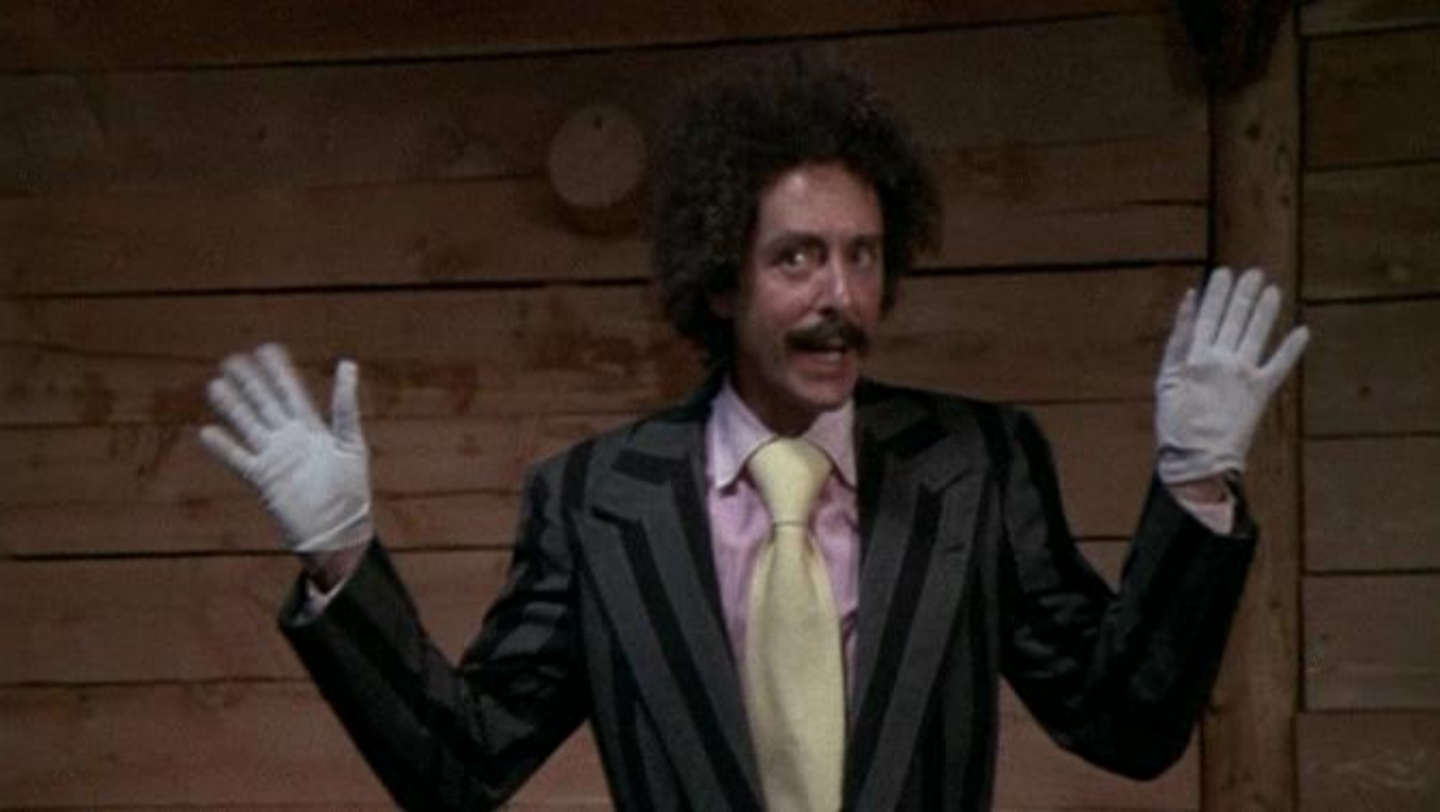
If Putney Swope is an urban satire, Greaser’s Palace is its desert hallucination, populated with queer dwarfs, gay sons, Indigenous people, and Christ-like healers. Set in a Western landscape, the film follows Jessy (Allan Arbus), a zoot-suited drifter who descends from the sky, performs miracles, resurrects the dead, and ultimately faces crucifixion. It blends unsettling violence, slapstick comedy, and blasphemy into an intentionally disorienting narrative.
What links these two films is not just their humor, but their investment in the absurd as a critical cinematic tool. Downey does not attempt to represent reality; instead, he distorts it until it becomes bitingly humorous, exposing the absurdity of a racist, sexist, and homophobic world.
At times, this approach produces discomfort that cannot be easily resolved. The use of caricature, the presence of marginalized bodies as comedic figures, and the uneven handling of race and gender complicate any straightforward celebration of Downey’s radicalism. Some elements have not aged well; others provoke necessary unease. Yet there is a difference between humor that isolates its targets and humor that implicates everyone within it. Downey’s films often strive for the latter, even if they do not always succeed.
Absurdity, for Downey, is not an escape from politics but a way into it. By pushing situations to their extremes, he reveals the irrational foundations of systems that present themselves as natural or inevitable. Authority is constantly asserted, challenged, and reconfigured—whether in the boardroom or the desert town. Groups of men move collectively to enforce or disrupt order, embodying a fragile masculinity that is neither wholly dominant nor entirely secure. The question is not simply who holds power, but how power itself is performed, maintained, and ridiculed.
What emerges is a vision of power as both pervasive and unstable.
Two things can be true at the same time. Three or four can also, I’ve learned. Putney Swope can be both a groundbreaking satire of race and capitalism and a film that raises uncomfortable questions about representation that fails, in which the representation of racism by a white filmmaker does not fully land. Greaser’s Palace can be both a daring reimagining of religious narrative and the Western and an uneven collage of provocation and parody, particularly around sexuality, and yet stands as a politically provocative underground film.
To engage with these films is to accept their contradictions while grappling with power structures through absurdity. Downey Sr.’s cinematic approach builds tension and offers release of white male supremacy through uncomfortable absurd collisions.
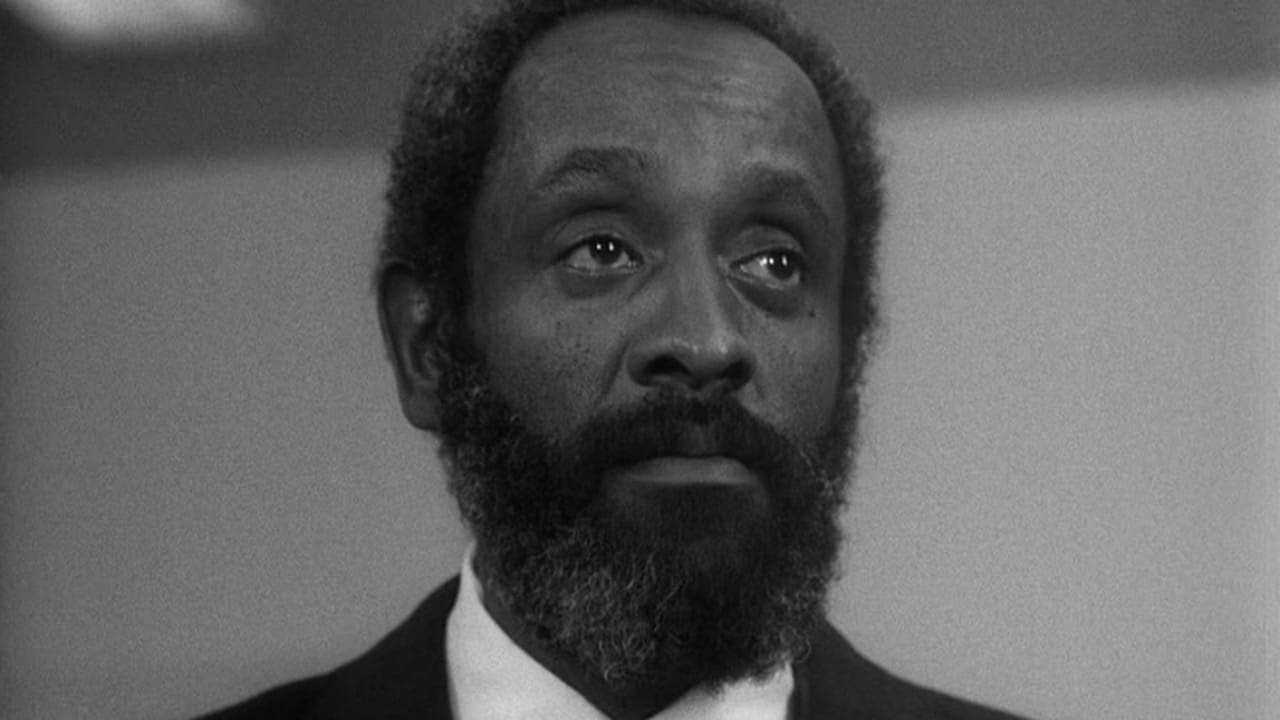
퍼트니 스워프Putney Swope
감독 로버트 다우니 시니어Robert DOWNEY Sr. | United States | 1969 | 86 min | Fiction | 특별전: 뉴욕 언더그라운드—더 매버릭스Special Focus: New York Underground—The Mavericks
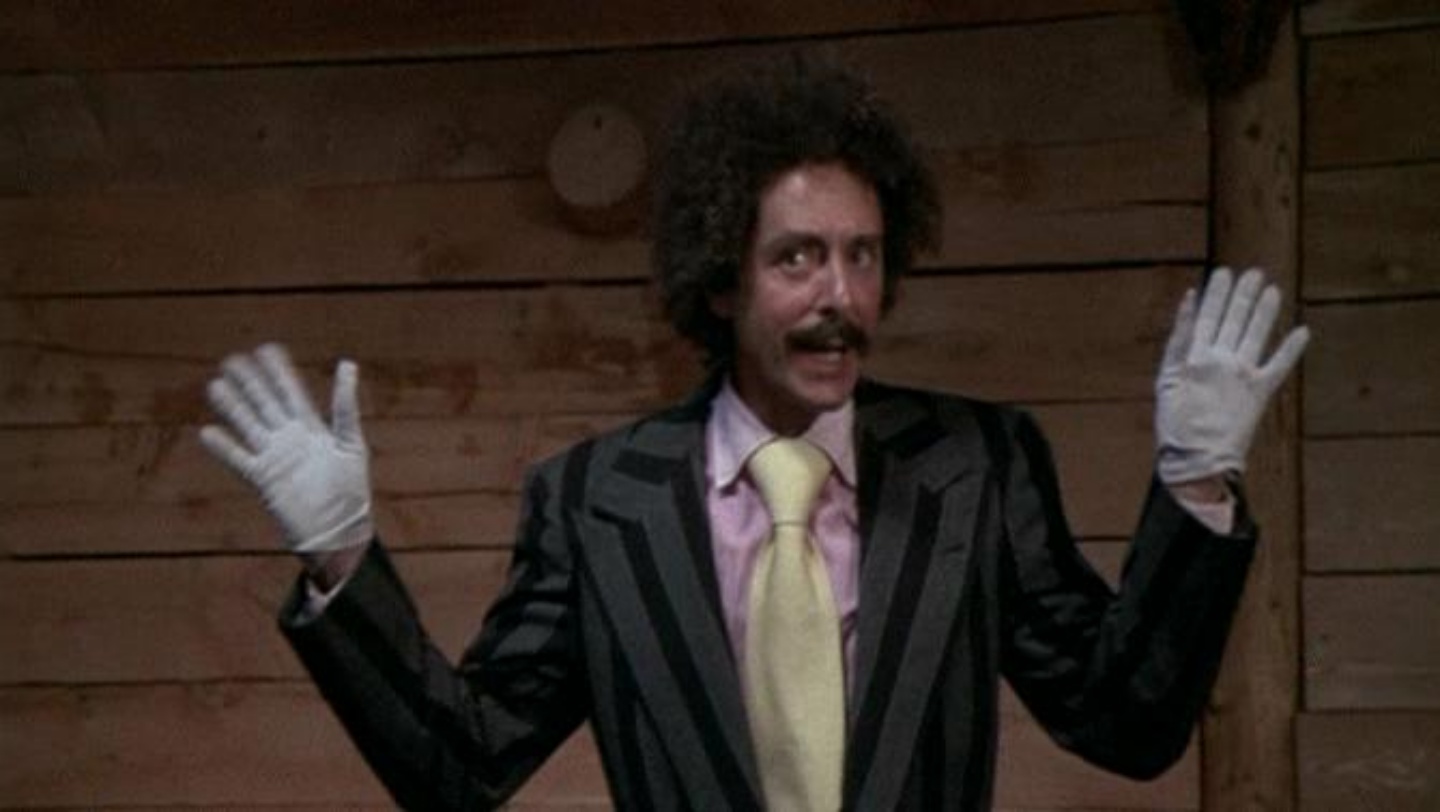
그리저의 궁전Greaser’s Palace
감독 로버트 다우니 시니어Robert DOWNEY Sr. | United States | 1972 | 91 min | Fiction | 특별전: 뉴욕 언더그라운드—더 매버릭스Special Focus: New York Underground—The Mavericks